

What is the impact of a wine display on sales in a store?
Nov 17, 2026
Leave a message
If you’ve ever wandered through a grocery store’s liquor section or a specialty wine shop, you’ve probably paused in front of a display that made you reach for a bottle you never intended to buy. I’ve seen this happen hundreds of times, both as a store owner years ago and now as the founder of a wine display supplier team that works with retailers across North America. The truth is, most store owners underestimate how much a thoughtfully designed wine display can shift customer behavior, boost average transaction value, and even turn casual browsers into loyal buyers. It’s not just about putting bottles on a shelf—it’s about creating a experience that makes customers want to engage, and that engagement directly translates to sales.
Let’s start with the basics: consumer behavior research tells us that 70% of in-store purchase decisions are unplanned, according to a 2022 study from the Point of Purchase Advertising International (POPAI). That’s a massive number, and it means the space between a customer walking into your store and them walking out with a bottle is full of opportunities to influence their choice. A poorly arranged wine display—say, stacking red wines on a generic metal shelf at eye level without any structure—might as well be invisible. But a display that’s clean, organized, and visually appealing catches the light, draws the eye, and gives customers a reason to stop and look longer. When customers spend more time in a wine section, they’re 3x more likely to purchase, per the same POPAI study. That’s where the impact begins: a display’s design directly increases dwell time, which drives unplanned sales.
But it’s not just about being visible; it’s about framing the product in a way that feels intentional. Wine is a product tied to emotion, occasion, and identity. A display that tells a story—like a section of “farm-to-table” wines grouped together, or a holiday-themed display set up in November—helps customers make a choice faster. Last year, a craft wine shop in Portland told me they saw a 28% lift in sales of their holiday wine selection after they swapped their old wire shelf for a custom lighted display that featured small pine accents and clear acrylic stands. They even used a Laser Engraved Clear Acrylic Lighted Christmas Tree as a centerpiece for the display, which became a photo spot for local customers—people would stop to take a picture, and many would leave with a bottle to pair with their holiday gatherings. The display didn’t just hold bottles; it turned a functional section into a festive destination, and sales followed.
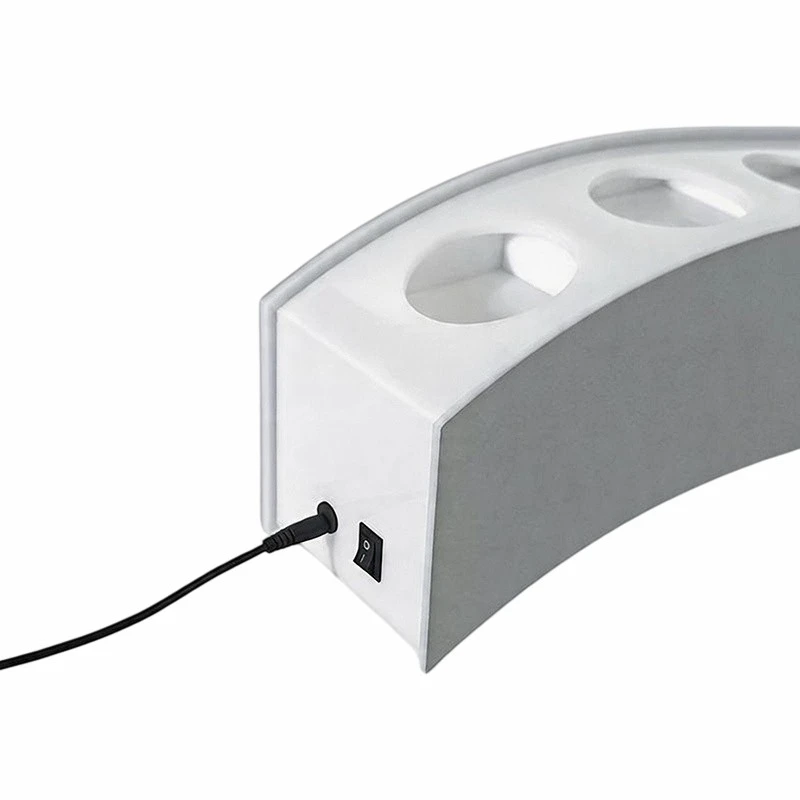
Another key impact is on product visibility. Even if customers are in the store to buy a specific wine, if their go-to bottle is buried on a shelf, they might settle for a similar option—or just leave. Vertical displays, for example, let multiple bottles be seen at once without cluttering the space, which helps customers compare options easily. I’ve worked with a liquor chain in Chicago that swapped horizontal shelf placement for a mix of vertical and tiered displays, including a Wave Shaped Display Stand for their premium white wines. After the change, sales of those premium whites jumped 34% in six months. The wave shape added a dynamic, eye-catching element, and the tiered levels ensured every bottle was visible, so no one missed the Chardonnay they’d been looking for. That’s a big win: improving visibility of existing products can drive sales without adding new inventory.
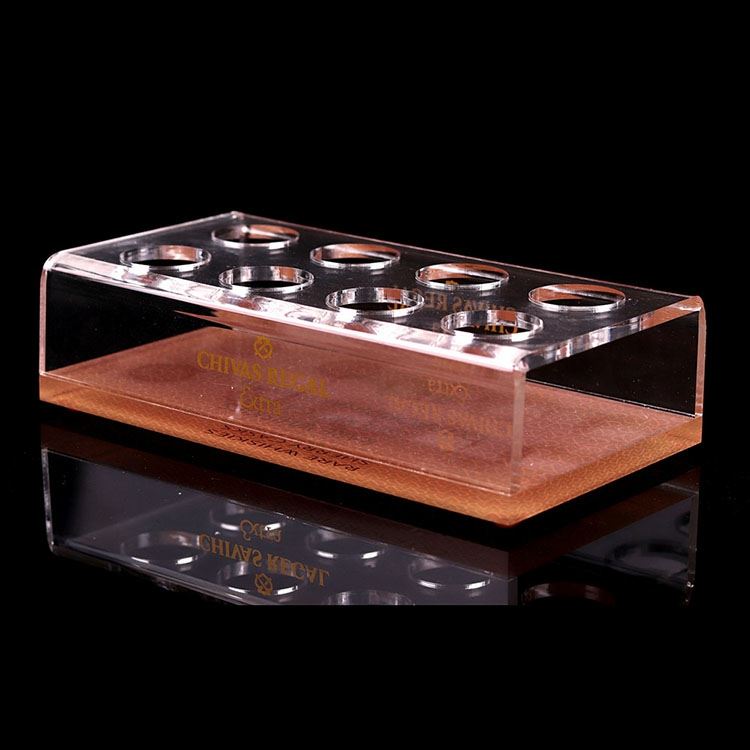
Then there’s the way displays can influence product perception. Wine is often judged by its presentation, and a display that feels high-end can make a mid-priced bottle feel like a luxury item. A small boutique in New York City used a Hennessy Display Base (adapted for their premium red wines) to showcase bottles near the register. They’d been selling those reds for $22 each, but after adding the sturdy, glossy base, they started promoting them as “special occasion” picks. Within two months, sales of those wines doubled. The display didn’t change the wine itself, but it changed how customers valued it—turning a regular bottle into a go-to choice for date nights or small celebrations. That’s the power of a well-chosen display: it elevates products in the customer’s mind, which lets you command a higher price and move more volume.
We can’t talk about wine displays without mentioning the impact of organization, too. Customers get overwhelmed by too many options—studies show that when a wine section has more than 50 labels, 60% of customers leave without buying anything, per a 2021 study from the Journal of Retailing and Consumer Services. A good display helps narrow that choice by grouping wines by type, region, or price point, so customers don’t feel lost. For example, a grocery store in Seattle split their wine section into “everyday value,” “special occasion,” and “new arrivals” displays, using clear acrylic organizers to keep each group neat. They also added a Bar Spirits Display Base for their spirits adjacent to the wine section, which made it easy for customers shopping for a cocktail to pair wine with their liquor. The result? Overall wine sales went up 19% in three months, and customers commented in surveys that they felt less stressed when shopping for wine. Organization isn’t just about looks—it’s about reducing decision fatigue, which keeps customers from leaving empty-handed.
Of course, there are also common mistakes that can hurt sales, and I’ve seen them time and again. One big one is overcrowding a display: if you cram too many bottles onto a stand, it looks cluttered, and customers can’t tell where one bottle ends and another begins. Another mistake is not adjusting displays for seasons or trends— a generic display in summer might not resonate with customers looking for crisp, summer whites, while a holiday display in January feels outdated. The best displays are flexible, easy to rearrange, and tailored to what your customers care about. That’s why we design our displays to be modular—so a store can swap out small elements like the laser-engraved tree base after Christmas, or add the wave stand for a new wine release, without having to buy a whole new setup.
I also want to touch on a lesser-known impact: staff productivity. When wines are organized and displayed clearly, employees spend less time helping customers find specific bottles and more time upselling or answering questions. A store in Boston told me that after they installed our acrylic display stands, their staff reported spending 20% less time searching for bottles, which let them focus on suggesting pairings and promoting featured wines. That extra time and attention from staff translates to more sales, too—when a knowledgeable associate recommends a wine from a well-displayed section, customers are 50% more likely to purchase, per POPAI.
So what does this mean for store owners? The wine display isn’t an afterthought—it’s a core part of your sales strategy. It’s a tool to increase dwell time, boost visibility, elevate product value, reduce decision fatigue, and even support your team. Over the years, I’ve worked with all kinds of retailers, from small family shops to large grocery chains, and the ones that invest in quality, thoughtful displays consistently see better results than those that cut corners. Whether you’re upgrading your existing setup, adding a seasonal display, or looking to organize your selection better, the right display can turn your wine section from a passing stop into a destination.
If you’re ready to see how a wine display can impact your store’s sales, or want to brainstorm the right setup for your space, our team is here to help. We’ve worked with countless retailers to create custom displays that fit their budget and their customers’ needs, from acrylic stands to themed pieces that align with holidays or trends. Don’t let your wine section be an invisible part of your store—let’s create a display that drives sales and makes your customers want to come back.
POPAI. (2022). "In-Store Decision-Making: The 70% Unplanned Purchase Study." Point of Purchase Advertising International.
Journal of Retailing and Consumer Services. (2021). "Consumer Decision Overload in Specialty Retail: The Case of Wine Selection." Elsevier.
Retail Control Association. (2020). "Store Layout and Display Impact on Average Transaction Value." Retail Control Association Report.