

Are there any modern trends in metal hook display stand design?
Nov 06, 2026
Leave a message
If you’ve ever walked through a retail aisle, a trade show hall, or even a boutique pop-up, you’ve probably noticed how much goes into making products stand out—literally. As a supplier of metal hook display stands, I’ve spent years watching this space evolve, and one question I get asked constantly is: Are there modern trends shaping how these stands are designed? The answer isn’t just “yes”—it’s a transformation that ties together functionality, brand storytelling, and customer behavior in ways that didn’t feel possible even five years ago. Let’s break down what’s changing, why it matters, and how these trends are redefining what a metal hook display stand can do.
First, let’s ground this in why metal hook stands have always been a staple. They’re durable, customizable, and work for everything from apparel and accessories to hardware tools and craft supplies. But in an era where attention spans are shorter, competition for shelf space is fiercer, and retailers are looking for multi-purpose solutions, the design of these stands can’t be one-size-fits-all anymore. One of the most impactful modern trends I’ve observed is smart integration of dynamic functionality—turning a static stand into an interactive tool that keeps customers engaged. A few years ago, most hook stands were fixed: hooks at a set height, shelves that didn’t move, no real reason for a customer to linger. Now, we’re building stands that adapt to different scenarios.
Take auto-lifting technology, for example. I started testing auto-lifting display rack prototypes two years ago, and the feedback from clients has been game-changing. Imagine a clothing store where retail associates can adjust the height of a hook rail in seconds to restock popular items, or a trade show where you can rearrange product displays mid-event without heavy tools. This isn’t just a “nice-to-have”; it solves a common pain point for busy teams: no more wrestling with wrenches to reposition hooks when a bestseller moves to a new spot in the store. The key here is that modern metal hook stands don’t just hold products—they adapt to how people use them. This trend extends beyond retail associates, too. Customers love exploring products at their own height; an auto-lifting stand lets a short person reach a pair of shoes without a step stool, while a tall person doesn’t have to bend down, creating a more inclusive shopping experience.
Another big shift is blending display and storage, which addresses a longstanding complaint: many display stands are single-use, leaving you with extra stock that’s just taking up valuable floor space. That’s where the storage type display rack trend comes in. Today’s designs pair hook rails for front-facing product display with hidden or semi-hidden storage compartments below, perfect for holding spare hangers, extra inventory, or even cleaning supplies. I had a small boutique client tell me their storage-integrated hook stand cut their backroom inventory trips in half because they could restock directly from the base of the display, instead of walking 10 feet to a separate storage closet. For retailers with limited square footage, this is a non-negotiable design trend—metal hook stands no longer have to choose between showcasing products and organizing supplies.
Brand visibility is another area driving modern hook stand design, and LED signage integration is leading the charge. Think about it: in a crowded mall, a plain metal stand blends into the background. But a display stand with LED signage lets you highlight a sale, a new product line, or your brand logo in bright, energy-efficient light that catches the eye from across the room. We’ve designed stands where the LED panels are seamlessly built into the frame, not just stuck on as an afterthought, so they look sleek, not clunky. A lot of people assume LED stands are expensive, but modern manufacturing has made them more accessible than ever—small boutiques and large chain stores alike are opting for them to turn their metal hook stands into mini billboards. The best part? The LED signage is customizable, too; you can swap out graphics for seasonal sales, new product launches, or holiday promotions without replacing the entire stand.
Customization has always been part of metal display stands, but today’s version is far more flexible than it used to be. The multi-hook display rack trend is a perfect example. Not long ago, a hook stand might have 10 fixed hooks; now, you can adjust the spacing between hooks in seconds, add extra hooks, or remove ones you don’t need, all without tools. This is crucial for businesses that carry a mix of products—like a pet store that sells small collars (which need tight hook spacing) and larger leashes (which need more space between hooks). We’ve even had clients add modular shelves to their multi-hook stands, so they can display small accessories like keychains or hair ties on the shelves and larger items on the hooks, all in the same footprint. This level of modularity means a single stand can grow with a business, instead of being discarded when a product line changes.
Beyond functionality, modern metal hook display stands are also leaning into shape and aesthetics that match modern brand design. The shaped display stand trend is moving away from the basic rectangular or square frames that were standard for decades. Now, we design stands with curved edges, organic silhouettes, or even branded shapes—like a stand shaped like a guitar for a music store, or a circular stand for a boutique selling minimalist jewelry. This isn’t just about looking cool; it’s about creating a cohesive brand experience. A customer walking into a store that uses a guitar-shaped hook stand will make a visual connection between the stand and the products, making the brand feel intentional and memorable. We’ve also started using finishes that match modern interior design trends—matte black, brushed bronze, and even pastel metal coatings instead of the traditional shiny chrome, so the stand doesn’t clash with a store’s decor.
Sustainability is another quiet trend shaping modern metal hook stand design, and it’s one that’s easy to overlook but deeply important. A few years ago, most metal stands were made from raw steel, with little consideration for end-of-life disposal. Today, we’re designing stands from recycled metal, and building them to be disassembled and recycled at the end of their lifespan, instead of ending up in a landfill. Retailers are also demanding stands that are durable enough to last 5+ years, instead of 1 or 2, to reduce waste and cut down on replacement costs. One client told me that switching to our recycled metal hook stands saved them 30% a year on replacement fees, because they didn’t have to buy new stands every time they rearranged their store. It’s a win for businesses’ bottom lines and for the planet.
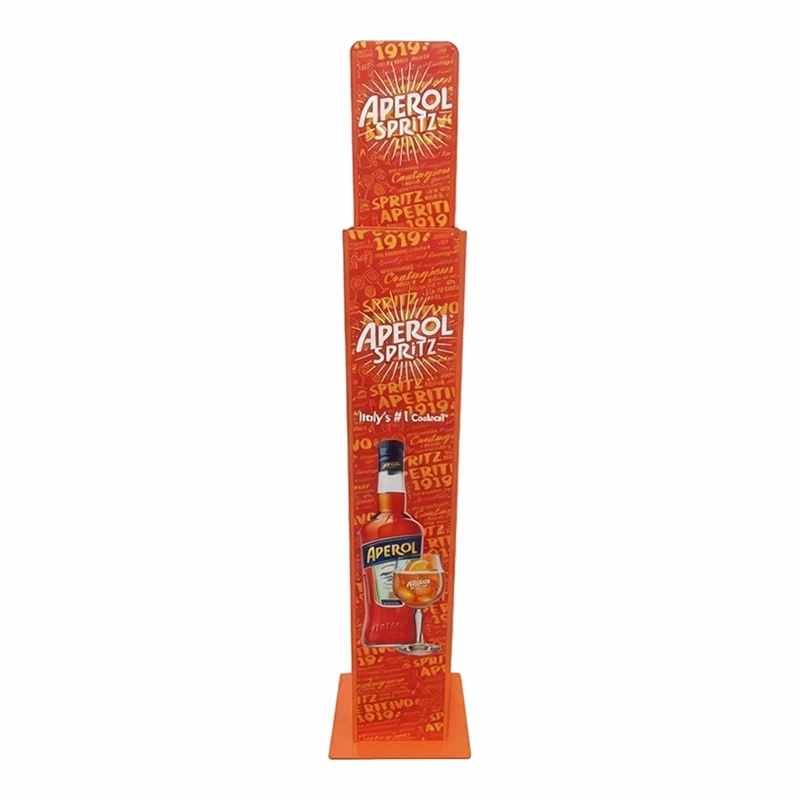
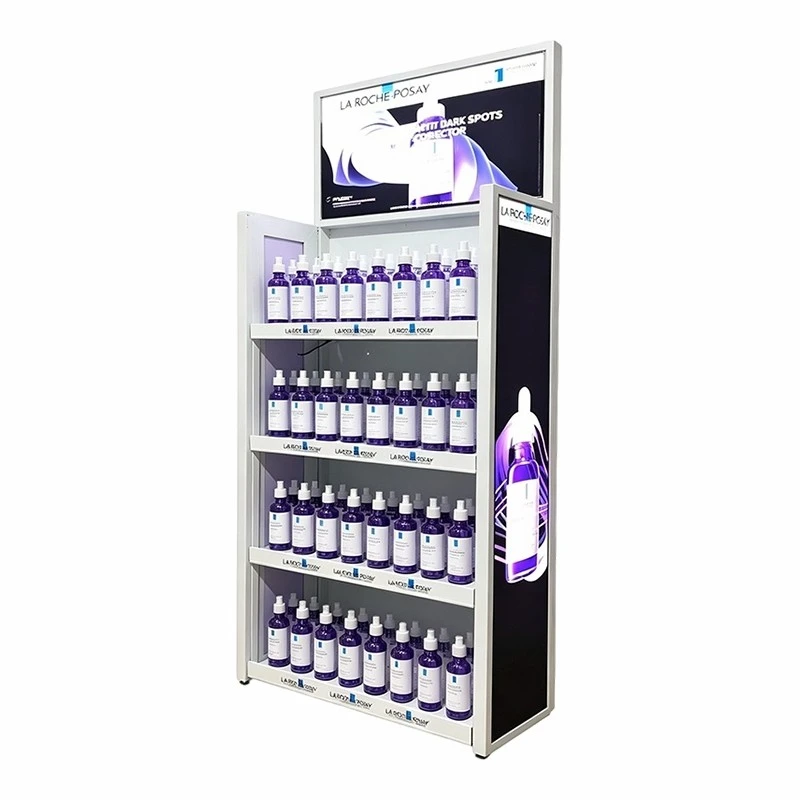
I’ve also noticed a trend toward smaller footprint stands, which is critical as retail spaces get more expensive. Many small businesses and pop-up shops don’t have room for large, bulky displays, so modern metal hook stands are being designed to be compact without sacrificing functionality. A slim profile, tiered hooks, and hanging attachments that work on walls or counters mean a stand can fit in a corner, on a checkout counter, or even in a small pop-up tent at a farmers’ market. We’ve designed countertop hook stands for craft fairs that hold 12 hooks in a space the size of a laptop, which has been a hit with small makers who want to showcase their jewelry or handbags without taking up too much space.
Of course, not all trends work for every business. A hardware store might prioritize durability and storage, while a fashion boutique might focus on aesthetics and LED signage. The best modern metal hook display stands don’t just follow one trend—they combine them to meet a business’s specific needs. That’s why I always tell clients to think about what their biggest challenges are: do they need to restock quickly? Do they have limited space? Are they looking to promote a new line? The right stand will answer those questions.
As someone who’s spent the last decade building metal hook display stands, I’m excited to see where this industry is going. The days of a basic hook stand being just a place to hang a product are over. Now, they’re tools that adapt, promote, and save space—all while looking good and supporting sustainable practices. If you’re a retailer, brand owner, or event planner looking to update your displays, these modern trends mean there’s a stand that works for your unique needs.
Whether you’re looking for a dynamic stand that can adjust on the fly, a storage-integrated design to maximize your space, a display with eye-catching LED signage, a flexible multi-hook rack for mixed products, or a shaped stand that matches your brand’s vibe, we can help. To discuss your specific requirements and find the right metal hook display stand for your space, get in touch with our team. We’re ready to collaborate on a design that fits your products, your budget, and your vision.
References
- National Retail Federation. (2023). In-Store Display Trends: 2024 Retail Innovation Report.
- Global Shop Association. (2022). Trade Show Display Design and Functionality Study.
- Sustainable Retail Council. (2023). Circular Design Practices for Retail Fixtures.
- Retail Design Institute. (2022). Branded Display and Customer Engagement Research.