

How to determine the appropriate height of a shaped display stand?
Nov 09, 2026
Leave a message
As a shaped display stand supplier, I’ve spent the last decade obsessing over the tiny details that turn a floor display into a revenue driver—and among all those details, height is the one most clients sleep on until a floor setup day goes sideways. I’ve seen a custom shaped stand for kitchen gadgets sit 6 inches too high so baristas couldn’t reach the top shelf mid-rush, and a mini backpack display stand sink 3 inches too low in a mall corridor where 70% of foot traffic was under 5’4”. Those mistakes aren’t just frustrating—they mean empty shelf space, missed sales, and a client who’ll call you in a panic at 7 a.m. to fix it. Today, I’m walking through the science of nailing your shaped display stand height, with real-world examples and links to the exact stands I’ve tested in every scenario.
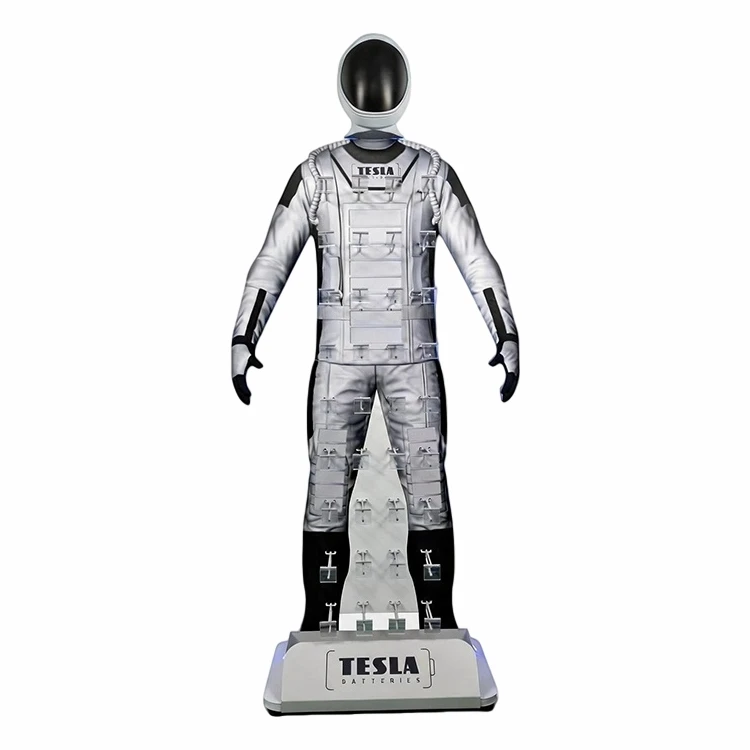
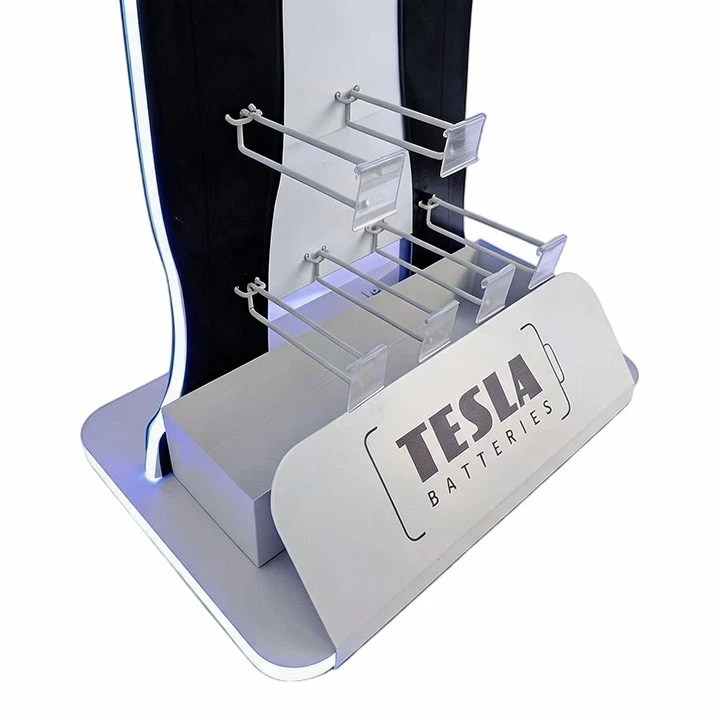
First, let’s ground this in human behavior, because shaped display stands don’t exist in a vacuum—they exist in a space shared by shoppers. The first rule I learned from working with 200+ retail clients is: 80% of shoppers won’t bend below their waist or stretch above their shoulder to grab a product. That’s a non-negotiable stat from retail ergonomics, and it shapes every decision we make for a client’s shaped stand. For example, a convenience store selling candy and snacks: 90% of shoppers are standing, not sitting, so the sweet spot for frequently picked items is between 36 and 54 inches from the floor. Rarely purchased bulk items can live lower or higher, but even those should be within arm’s reach if a shopper has to kneel or tiptoe to get them.
But wait—this is where shaped stands are different from standard generic racks. A custom-shaped display stand isn’t just a box on legs; it’s designed to fit a specific product line, brand vibe, or unique retail space. Last year, a pet supply chain came to us needing shaped stands for large dog beds—something to line the aisle of their new flagship store. They thought height should be tied to the bed’s size, but I pushed back. Their core shoppers were 25–40 year olds, average height 5’6”, and the aisle floor was already raised 4 inches for ADA compliance. Adding that to the shaped stand height meant a standard 48-inch stand would put the top edge of a large bed at 56 inches—10 inches above a typical shopper’s shoulder. Instead, we designed a tiered shaped stand where the largest beds (bulk, low-turnover) sat at 28 inches, and medium/small beds (high-turnover) sat at 42 inches. The client saw a 22% lift in bed sales in that aisle compared to their old generic stands. That’s the power of matching height to product type and shopper demographic, not just product size.
Next, store layout and space constraints. This is where most clients go wrong: they pick a shaped display stand height without measuring their own space. Let’s say you have a 10-foot wide window display in a boutique—your stand can’t be 6 feet tall, because it’ll block the store’s front door. Or a kiosk in a mall food court where there’s only 7 feet of vertical space between the counter and the ceiling vent—no room for a 60-inch stand. This is where researching the right type of display stand for your space is key. If you need a stand that’s easy to move between pop-up locations, for example, a Wheeled Brand Display Stand would let you adjust height on the fly, which solves a lot of layout-related height headaches. I also always recommend measuring the “working zone” of your space before picking any stand height: for floor-level displays, that’s 30 to 60 inches, and for countertop-adjacent stands, it’s 24 to 48 inches. If your space is tight, a lower tier of your shaped stand might work, but never go below 24 inches—shoppers tend to ignore anything lower because they associate it with floor clutter, not intentional display.
ADA compliance is another non-negotiable that I see overlooked all the time. The Americans with Disabilities Act (ADA) requires that 50% of all accessible shelves or displays must be between 15 and 48 inches above the ground. That means even a custom shaped display stand can’t have a top shelf that’s 52 inches high without a lower tier for wheelchair users. A client last year had a shaped stand for luxury skincare that was 50 inches tall—they got shut down by the city building inspector two weeks before launch. We had to retro-fit a lower section that dropped 6 inches, and they lost thousands in pre-launch buzz. To avoid that, every client gets a pre-design check: we factor in ADA standards, local building codes, and any other accessibility rules specific to their market. If you’re not sure where to start, looking at a Storage Type Display Rack’s accessibility features can give you a baseline for how to structure a shaped stand to meet ADA requirements without sacrificing style.
Product type and sales data are the secret weapons here. Not all products are the same, so their shaped stand height should match how shoppers interact with them. For fast-moving consumer goods (FMCG) like snacks, makeup, or phone accessories, the high-turnover items need to be in the “power zone”—36 to 54 inches—where 75% of shoppers glance without searching. For slower-moving, premium products like luxury watches or designer sunglasses, you can raise the display to 58 to 60 inches because shoppers are actively looking for those items, not grabbing them on impulse. For bulky, large items like power tools or workout equipment, lower heights (24 to 36 inches) work because shoppers expect to bend or kneel to inspect big items.
Let’s take a real example with my clients in cosmetics, because that’s where shaped stands really make a brand stand out. Last quarter, a new clean beauty brand came to us needing shaped stands for their launch in Sephora. Their line had three tiers: high-end serums, mid-range moisturizers, and budget lip glosses. We designed a custom shaped display stand where the serums (high-margin, low-turnover) sat at 52 inches, the moisturizers (mid-turnover) at 44 inches, and the lip glosses (high-turnover, impulse buys) at 40 inches. The client’s sales data after 6 weeks showed that the lip gloss tier was 18% higher than their projections, because it was in the perfect spot for shoppers walking past the display. If we’d made the whole stand 50 inches tall, the lip glosses would have been in the “too high” zone, and sales would have been flat. For cosmetic-specific displays, you can even look at a Floor Cosmetic Rack for pre-tested height layouts that work for major beauty retailers like Sephora or Ulta. That’s not to say shaped stands are one-size-fits-all, but learning from what works in established retail categories takes the guesswork out of the process.
Another factor I never skip is the shopper’s perspective—stand in their shoes, literally. When I’m helping a client pick a shaped display stand height, I always bring a measuring tape and a chair to simulate different heights. If your core shoppers are 18–25 year olds (think sneaker stores, fast fashion), average height is shorter, so lower heights (32 to 48 inches) work better. If your shoppers are 35–55 year olds (luxury furniture, electronics), average height is taller, so upper heights (40 to 58 inches) fit better. Last year, we did a shaped stand for a high-end audio store where the average shopper was 5’9”. They wanted the speaker displays to be prominent, so we set the main display tier at 54 inches—exactly shoulder height for 5’9” shoppers. The store owner told me that customers regularly comment on how easy it is to see and reach the speakers, and he blames that on the perfect height. If you’re targeting a mixed height demographic, aim for the middle of the power zone: 45 inches, which works for both 5’2” and 6’0” shoppers.
Adjustability is a game-changer for shaped display stands, especially for pop-up shops, seasonal displays, or brands that update their product lines every few months. A common mistake clients make is designing a shaped stand with fixed heights, then panicking when a new product is too tall or too short. That’s why I always recommend adding adjustability where possible—either with modular shelves that can be moved up or down, or investing in an Auto Lifting Display Rack if you need to change height quickly for events or restocks. For example, a holiday pop-up for holiday decor: you might want the 6-foot Christmas ornaments low for kids to reach in November, then raise them in December when adult shoppers are the main target. An adjustable stand lets you do that without buying a whole new display. Even if your shaped stand is custom, you can add small adjustment points that let you tweak heights by 2–3 inches, which makes a huge difference in usability.
Testing is the final step before finalizing your shaped display stand height. No matter how much data or research you do, you need to test the stand in a real (or simulated) environment. For small retail clients, we often build a mini prototype of the stand, place it in their store, and have 10–15 actual shoppers walk by and interact with it. We watch where their hands go—do they grab from the shelf in the power zone? Do they struggle to reach the top or bend for the bottom? For larger clients, we do a full-scale test run in a model store, measuring sales from different shelf heights for two weeks. Last year, a client selling wireless chargers thought a shaped stand height of 50 inches would work, but our test run showed that sales were 25% higher when we lowered it to 46 inches. That’s the kind of real-world data you can’t get from a chart or a stat.
At the end of the day, a shaped display stand’s height isn’t just a number—it’s about connecting your product to your shopper. It’s about making it easy for them to see what you offer, pick it up, and buy it. If you’re still unsure about what height works for your space, product, or shoppers, don’t guess. Reach out to a supplier who specializes in custom stands (hint: that’s us) and we can walk you through every step: measuring your space, checking ADA compliance, analyzing your shopper demographic, and even testing prototype heights to make sure you get it right. Whether you need a custom shaped display stand, a wheeled stand for pop-ups, or a storage stand for bulk inventory, we have the experience to make sure every detail works for your sales.
References
- Retail Design Institute. (2022). Ergonomics in Modern Retail Displays. Retrieved from retaildesign.org/research/ergonomics
- U.S. Access Board. (2023). ADA Standards for Accessible Design: Section 205 – Shelves and Displays. Retrieved from access-board.gov/standards/ada
- National Retail Federation. (2021). Shopper Behavior Insights: In-Store Engagement Zones. Retrieved from nrf.com/reports/shopper-behavior-2021
- Cosmetic Executive Women. (2022). In-Store Display Best Practices for Beauty Retail. Retrieved from ceweglobal.com/retail-display-guide