

Can I use a wine display to showcase rare wines?
Nov 12, 2026
Leave a message
As a wine display supplier who’s spent the last decade talking to winemakers, collectors, and bar owners, one question pops up more than you’d expect: Can I use a wine display to showcase rare wines? Rare wines aren’t just bottles—they’re stories, investments, and pieces of history. Sticking them on a random shelf at the back of a shop or behind a home bar might feel convenient, but it’s like hanging a Picasso in a damp basement. The truth is, a well-chosen wine display doesn’t just hold bottles; it protects them, honors their value, and makes them impossible to miss. Let me break down why that works, and how to pick the right display for your rarest bottles.
First, let’s get one thing straight: rare wines are not the same as your everyday cabernet. A $10 table wine can survive a few days on a warm bar counter, but a 2010 Château Margaux or a limited-edition small-batch pinot noir from a remote vineyard needs specific conditions to stay perfect. Wine is 70% water, 28% alcohol, and 2% flavor compounds that are extremely sensitive to light, temperature, humidity, and even vibration. Cheap displays often miss these marks, which can turn a $500 bottle into a $50 accident before you even get a chance to sell it. That’s why a wine display built for rarity isn’t a luxury—it’s a necessity.
I’ve seen this first-hand with a small winery client who once stored their 2018 vintage reserve in a standard wooden shelf. Within six months, half the bottles had turned maderized—meaning the heat and light in their storage closet cooked the wine, turning it brown and giving it a nutty, unpleasant taste. They switched to a custom acrylic display from our line, and a year later, those same bottles still tasted exactly the way they should. The difference came down to small, smart design choices we built into our displays.
Light is the biggest enemy of rare wine. Ultraviolet (UV) light from overhead lights or windows breaks down the wine’s pigments and flavor molecules, a process called “light strike.” For red wines, this can turn the taste bitter and flat; for white wines, it can make them taste like cooked fruit. Some collectors even say a few hours of direct sunlight on a rare bottle is enough to ruin it permanently. So when choosing a wine display for rare bottles, look for displays that block UV light. Many of our acrylic displays have a protective coating that filters out 99% of harmful UV rays, which is way better than the glass in a regular cabinet.
Another key factor is temperature stability. Rare wines need to stay at a consistent 55-58 degrees Fahrenheit, with fluctuations no more than 5 degrees a day. A display that’s placed near a heater, a window, or a walk-in cooler will have constant temperature swings, which expand and contract the wine in the bottle’s cork. Over time, this can dry out the cork, let in air, and turn the wine to vinegar. A good wine display insulates the bottles from these changes, and some even have built-in cooling systems for extra-sensitive bottles.
Humidity is often overlooked, but it’s just as important. The cork needs to stay moist to form a tight seal between the wine and the air. If the humidity drops below 50%, the cork will shrink, and air will seep in. If it’s too high (over 75%), mold can grow on the cork or the label, ruining the bottle’s collectible value. Many high-end wine displays are designed with sealed interiors to maintain the right humidity level, keeping both the wine and the label in perfect condition.
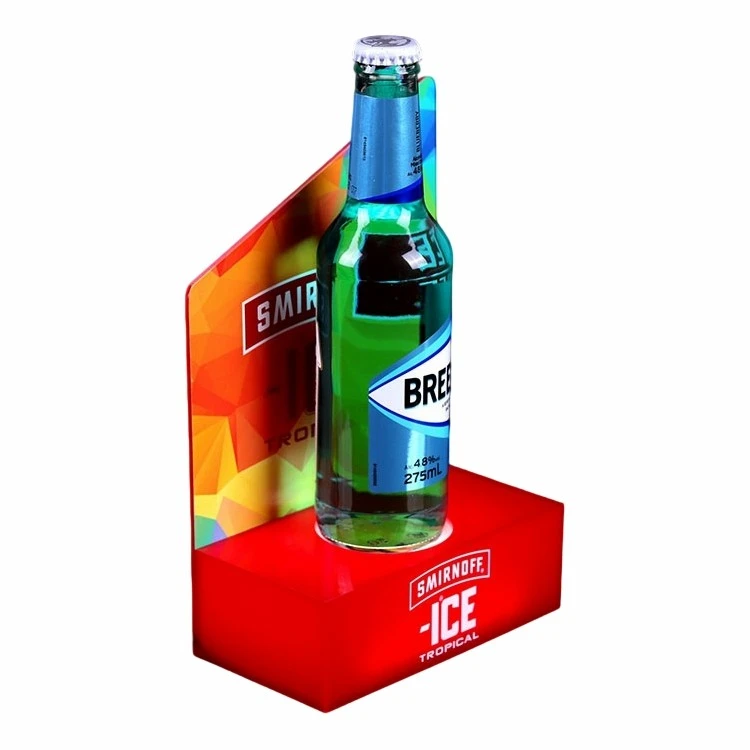
Now, you might be wondering: Do all wine displays work for rare bottles? Absolutely not. Some are built for convenience, not preservation. For example, the bar counter displays we make are popular for bars that want to feature their top-selling wines, but they also work great for rare bottles that are being offered by the glass. Our Bar Counter Promotional Bottle Display is designed to hold bottles securely on a countertop, with slots that keep them from tipping, and its UV-protective acrylic means your rare bottles stay safe even when they’re sitting out where customers can see them. I’ve had several craft cocktail bars use this display for their rare vintage spirits, and they’ve reported almost no spoilage since switching over.
If you’re showcasing rare bottles for a tasting or a special event, our Wave Shaped Display Stand is another great option. It’s designed to hold multiple bottles in a dynamic, eye-catching shape that draws attention, but the curved slots cradle each bottle gently, so they don’t shift or rub against each other. For tastings, that means you can have a whole collection of rare wines on display without worrying about them getting damaged. And since it’s made from the same UV-protective acrylic, it keeps your bottles safe during the event, no matter how long they’re out.
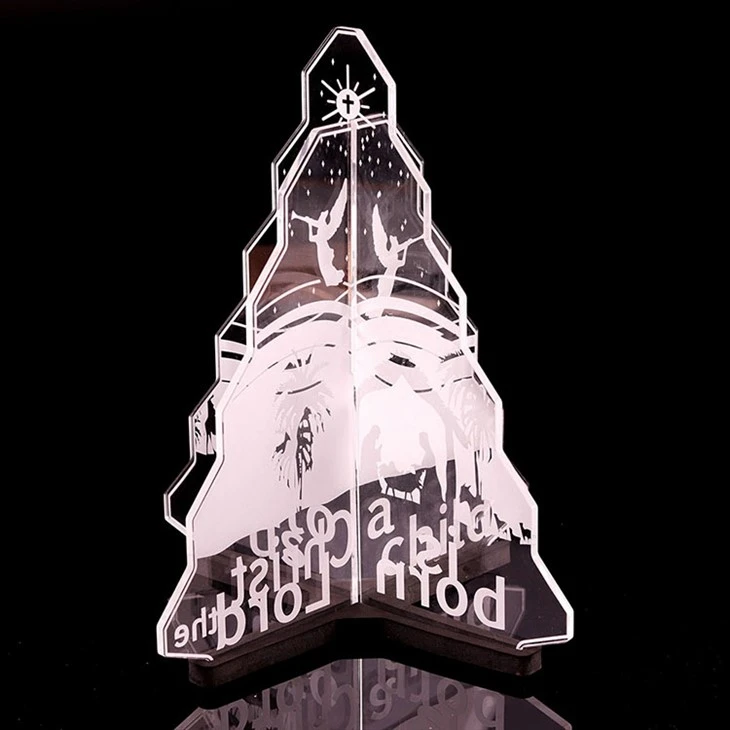
Of course, function isn’t everything. Rare wines are collectibles, so their presentation matters too. A beautiful display doesn’t just protect the bottle—it adds to its value. Imagine a collector coming to your shop, and instead of seeing a dusty, unlabeled bottle on a plain shelf, they see it lit up in a sleek acrylic display, with clear space for the label to show. That presentation tells them you respect the wine, and it makes the bottle feel more valuable. We’ve had a few clients use our Laser Engraved Clear Acrylic Lighted Christmas Tree for holiday pop-ups, but for rare wines, a small lighted display can make a single bottle feel like the centerpiece of the collection. The light is soft, not harsh, so it doesn’t damage the wine, but it highlights the label and the bottle’s shape.
I also want to mention a common mistake people make: using displays that are built for other products. I once had a customer try to use an Acrylic Cigarette Pack Counter Holder to display a rare wine bottle. It was a tight fit, and while it worked for a week, the rigid edges of the holder started to scratch the wine’s label. Labels are part of a rare bottle’s collectible value—scratched or damaged labels can cut a bottle’s worth by 30% or more. Wine displays are designed with slots that are sized to fit wine bottles snugly, with rounded edges that don’t scratch glass or labels. The cigarette holder, which is made for small, flat packs, just doesn’t have the right shape or material. Stick to displays built specifically for wine, and you’ll save yourself the headache.
Another thing to consider is accessibility, but not the kind that leaves bottles easy to knock over. Rare wines are valuable, so they need to be secure enough to prevent theft, but easy for you or your staff to access when a customer wants to look at them or taste them. Our Bar Spirits Display Base is designed with a sturdy, weighted bottom that keeps the display stable, and it has slots that let you lift bottles in and out without fumbling. That way, your rare bottles are safe from being knocked off the counter, but you don’t have to struggle to get to them when someone is interested.
Now, let’s talk about when you might want to skip using a display for rare wines. If you’re storing a rare long-term (for 10+ years), a climate-controlled cellar is still the best option. But if you’re showcasing them—whether for a wine shop, a restaurant with a rare wine list, or a collector’s home bar—a wine display is not only a good idea, it’s better than just leaving them on a shelf. Short-term display (a few weeks to a few months) in a quality display won’t hurt the wine, and it will make it more visible and more appealing to buyers.
I’ve seen this play out with a collector who used to keep his rare wines locked away in a closet. He started bringing a few out to showcase on our acrylic display, and within a year, he’d sold three bottles for 15% more than he’d expected, just because they were easy to see and felt special. Customers are more likely to buy a wine that’s presented well—whether they’re collectors looking for a investment or diners looking for a special bottle for an anniversary.
There’s also the aesthetic side. A collection of rare wines should be a talking point. When guests come to your bar or your home, seeing a beautiful, well-organized display of rare wines is way more impressive than seeing them crammed into a box or a plain shelf. It shows that you care about the details, and that your wines are worth celebrating.
I want to be clear: not all wine displays are created equal. Cheap plastic displays might look nice, but they don’t offer the UV protection, temperature stability, and secure slots that rare wines need. At our company, we design displays specifically with wine in mind, using materials that protect the bottle without detracting from its appearance. We’ve tested our displays with winemakers and collectors, and we know that they keep rare wines safe while making them look their best.
If you’re still on the fence about whether a wine display works for your rare wines, think about it this way: a rare wine is an investment, and you wouldn’t leave a $10,000 watch on a windowsill to crack in the sun. Your wine is worth just as much, if not more. A good display is a way to protect that investment while also making it accessible and appealing.
So, to answer the original question: Yes, you absolutely can and should use a wine display to showcase rare wines. It protects your bottles from damage, preserves their flavor, and enhances their value—all while making them the centerpiece of your collection or your shop. The key is to pick a display designed for wine, not a one-size-fits-all holder for other products, and to choose one that fits your space and your needs.
If you’re ready to find the right display for your rare wines, we’d love to help. Our team has years of experience working with winemakers, bar owners, and collectors to find displays that balance protection, style, and function. Whether you’re looking for a countertop display for your shop, a stand for tastings, or a secure holder for your home collection, we can work with you to find the perfect fit. Reach out to our team to discuss your specific needs, and we’ll walk you through all our options, from our UV-protective acrylic displays to our weighted base options.
References
- Wine Spectator. (2022). "Storage Basics: Keeping Your Wines in Prime Condition." Wine Spectator Publications.
- International Wine & Spirit Research. (2021). "Collectible Wine Value and Presentation." IWSR Market Reports.
- Journal of Wine Research. (2020). "Effects of Light Exposure on Wine Flavor Compounds." Taylor & Francis Online.
- Wine Institute. (2021). "Climate Control Guidelines for Wine Storage and Display." Wine Industry Technical Bulletin.