

How to maintain the finish of a wooden storage type display rack?
Nov 11, 2026
Leave a message
When you run a business that relies on storage type display racks to showcase products, you know these fixtures are more than just functional storage—they’re a key part of your brand’s in-store presentation. I’ve been a supplier of these racks for years, and one of the most common questions I get from customers is how to keep their wooden display finishes looking fresh, even with daily use. Whether you’re a retail manager, a boutique owner, or a trade buyer, a well-maintained rack doesn’t just look better—it also extends the life of your investment, reducing the need for costly replacements. Today, I’m sharing the science-backed methods I recommend to protect and preserve the finish of your wooden storage display racks, with practical tips that work for all types of commercial spaces.
First, let’s start with understanding what makes wooden display finishes vulnerable. Most commercial storage type display racks feature finishes like varnish, lacquer, or polyurethane, designed to resist scuffs, spills, and dust. But these finishes aren’t indestructible. Over time, exposure to moisture (from spilled drinks, cleaning products, or high humidity), abrasive dust (from foot traffic, product packaging, or unswept floors), and physical contact (from customers grabbing products, staff moving items) can break down the finish’s protective layer. As a supplier, I’ve seen firsthand how even small oversights in maintenance can turn a once-sharp rack into a dull, scuffed eyesore. That’s why a proactive maintenance routine is non-negotiable.
Daily cleaning is the foundation of finish preservation, but not all cleaning is created equal. I often see customers using harsh chemicals or rough cloths that do more harm than good. For wooden display racks, the goal is to remove dust and grime without stripping the finish or leaving scratches. I recommend a two-step daily cleaning process: first, a dry wipe with a microfiber cloth. Microfiber is ideal because its fine fibers lift dust and debris without scratching the wood surface. For areas that are heavily used (like lower shelves where customers often touch), a slightly damp cloth works better— but make sure it’s only damp, not soaking wet. Excess moisture is the biggest enemy of wooden finishes; it can seep into the wood grain, causing warping or finish bubbling. If a spill does happen (say, a customer knocks over a soda on a storage type display rack), blot it immediately with a dry cloth—don’t rub—then follow with a light dry wipe to eliminate any remaining moisture.
For deeper cleaning (weekly or bi-weekly, depending on foot traffic), avoid generic household cleaners like window sprays or bleach-based products. These contain solvents that can dissolve the finish over time. Instead, use a pH-neutral wood cleaner, specifically formulated for finished wood surfaces. I’ve tested a number of these products with our display racks, and they clean grime without damaging the protective layer. When applying the cleaner, spray it onto the microfiber cloth, not directly onto the wood—this prevents excess liquid from pooling on the rack. For areas with sticky residue (like price tag adhesive or product labels), apply a small amount of the cleaner to the cloth, gently rub the spot, then wipe dry immediately. Never use steel wool or abrasive scrubbers, even for tough stains—they will scratch the finish permanently.
Beyond cleaning, controlling the environment around your storage type display rack is critical. Wood is hygroscopic, meaning it absorbs and releases moisture from the air, which causes it to expand and contract. This movement can crack the finish or cause it to peel away from the wood over time. For retail spaces, humidity levels should stay between 30% and 50%—most commercial humidifiers or dehumidifiers are designed to maintain this range. I’ve had customers in areas with extreme humidity (like coastal cities) report issues with warping, and adding a small dehumidifier near their display racks solved the problem. Temperature fluctuations matter too—avoid placing racks near heating vents, air conditioners, or windows that get direct sunlight for long hours. Sunlight has UV rays that fade and break down finishes, leading to dull, discolored patches. If your racks are near windows, use UV-protective window film to block harmful rays, or rearrange your display layout to move wood racks to shaded areas.
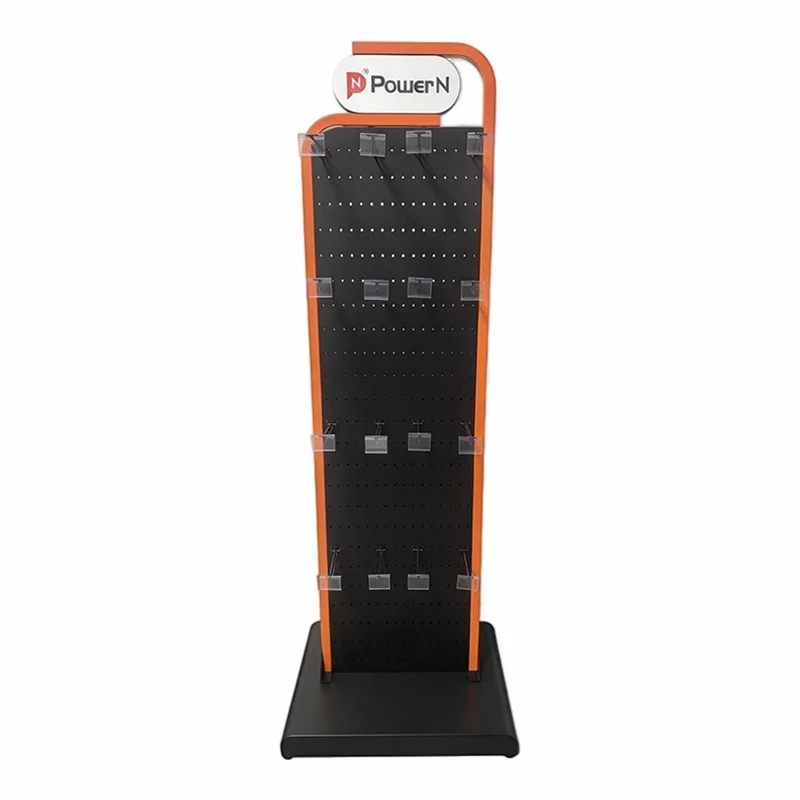
Protective measures for high-traffic areas are another key part of maintenance. Storage type display racks in busy stores often have areas that get extra wear: the top edges where products are frequently lifted, the corners where carts bump, and the lower shelves where customers rest their bags. For these spots, a thin layer of clear furniture wax or a finish-specific protective coating can add an extra barrier. I recommend testing any new product on a small, inconspicuous area of the rack first—this ensures it doesn’t react poorly with the existing finish. For corners and edges, especially if your racks have metal components (we offer complementary items like the Metal Hook Display Stand that pair well with our wooden storage racks), consider adding edge protectors. These soft rubber or plastic guards absorb impact from carts and bags, preventing chips or scratches. It’s a small investment that pays off in keeping your display looking polished.
Regular inspections will help catch small issues before they become big problems. Once a month, walk around your storage type display rack and check for signs of finish damage: small scratches, bubbling, peeling, or discoloration. Even a tiny scratch can expose the raw wood underneath, making it vulnerable to moisture and dirt. For minor scratches on finished wood, a matching wood touch-up pen or wax stick works wonders. These products are color-matched to common wood finishes, and they fill in scratches without altering the rest of the surface. For more serious damage, like peeling finish along a shelf edge, you’ll need to sand the area lightly (with fine-grit sandpaper, 220-grit or higher), clean the dust, and reapply a thin coat of matching finish. As a supplier, I always advise that customers keep a small supply of their original finish on hand—when you order a storage type display rack from a reputable vendor, they often provide a sample of the finish for touch-ups. This is a huge help because it ensures consistency in color and protection.
Now, let’s talk about long-term care to extend the life of your wooden display racks. Avoid placing heavy, sharp, or abrasive items directly on the wood surface—use coasters or shelf liners. The Wheeled Brand Display Stand, for example, is designed for heavy product displays, but wooden shelves should still have a protective layer between them and products like glassware or metal tools. Liners also make cleaning easier—just remove the liner and wipe it down, instead of scrubbing the shelf itself. If you’re rearranging displays, don’t drag racks across the floor—lift them to move, to avoid scratches on the bottom edges. For racks with wheels, make sure the wheels are in good condition; wobbly or damaged wheels can tilt the rack, putting extra stress on the wood and finish.
I’ve also noticed that many customers underestimate how much product placement affects finish health. For instance, storing items with high moisture content (like fresh produce, beverages, or packaged foods) on wooden shelves for extended periods can seep into the wood. If you’re using a storage type display rack for these products, consider adding a waterproof liner. Even items that aren’t wet can leave marks—think of cosmetics on the Floor Cosmetic Rack, which sometimes has product smudges. Wiping those smudges immediately with a damp microfiber cloth prevents them from setting into the finish.
Let’s address some common mistakes I see from both new and long-time customers. One is over-waxing: adding too much wax can make the finish look cloudy and attract more dust over time. A thin coat every 3-6 months is enough. Another mistake is using water directly on the wood. I can’t stress this enough—soaking wet cloths lead to warping, even if it’s not obvious at first. It’s better to clean in small sections with a slightly damp cloth, drying immediately. Finally, ignoring small damage: a tiny scratch today can turn into a chipped finish in a month, which is much harder to fix. Catching issues early saves you time and money.
At the end of the day, maintaining your storage type display rack is all about consistency. It doesn’t have to be a complicated, time-consuming process—even 10 minutes a day of wiping down surfaces and a quick monthly inspection will keep your rack looking its best. As a supplier, I’ve seen how a well-maintained display can draw in customers, boost sales, and make your brand look professional. If you’re in the market for a new storage type display rack, we’ve designed our wooden models with finish durability in mind, using high-quality materials and protective coatings that stand up to commercial use. Whether you’re looking to upgrade your current displays or start fresh, feel free to reach out to our team to discuss your needs. We’re here to help you find the right display solutions and share more tips to keep them in great shape for years.
References
- Wood Finishing Association. (2022). "Commercial Wood Furniture Care: Preserving Finishes for High-Traffic Environments."
- International Retail Design Institute. (2021). "In-Store Display Maintenance: Best Practices for Extending Fixture Lifespan."
- National Wood Flooring Association. (2023). "Hygroscopic Wood and Environmental Control: Impacts on Surface Finishes."
- Retail Operations Magazine. (2022). "Daily Cleaning Protocols for Commercial Displays: Avoiding Finish Damage."